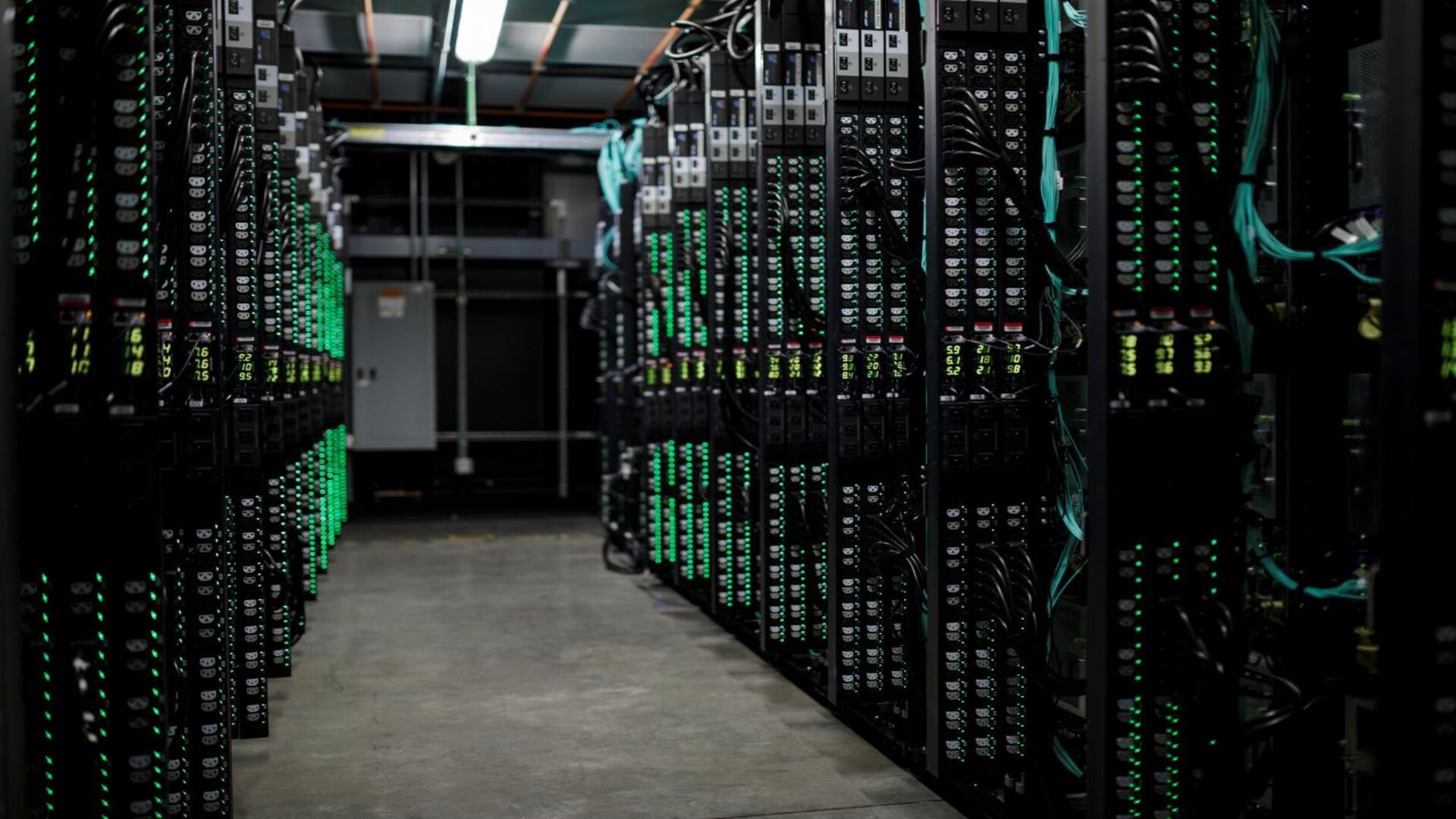
Experts warn building new data centers across the US could wipe out the last 15 years of greenhouse gas progress
Off-grid gas emissions in the U.S. could reach 460 million tons by 2030 US power-sector emissions could rise 42% above 2025 levels by end of the decade Gas turbines now supply electricity to roughly 40% of American data centres The rapid expansion of artificial intelligence infrastructure in the Uni
<![CDATA[ <article> <ul><li><strong>Off-grid gas emissions in the U.S. could reach 460 million tons by 2030</strong></li><li><strong>US power-sector emissions could rise 42% above 2025 levels by end of the decade</strong></li><li><strong>Gas turbines now supply electricity to roughly 40% of American data centres</strong></li></ul><p>The rapid expansion of artificial intelligence infrastructure in the United States is creating new concerns about the country's ability to reduce CO<sub>2</sub> emissions.</p><p>A new Sierra Club assessment warns that electricity generation associated with planned <a href="https://www.techradar.com/pro/best-data-center-proxies">data center </a>developments could reverse years of environmental gains.</p><p>By 2030, CO<sub>2</sub> emissions linked to the expansion could exceed 460 million metric tons, matching Mexico's annual carbon dioxide emissions.</p><h2 id="data-center-expansion-threatens-emissions-reduction-efforts">Data center expansion threatens emissions reduction efforts</h2><p>The environmental organisation estimates that electricity demand from proposed facilities could substantially increase pollution from the American power sector before the decade ends.</p><p>Projections indicate that CO<sub>2 </sub>emissions could reach 2.1 billion metric tons, representing a 42% increase over 2025 levels.</p><p>“The numbers continue to sort of boggle our minds,” said Jeremy Fusher, Sierra Club's principal advisor for climate and energy, expressing surprise at the scale of the latest estimates.</p><p>The organisation's earlier calculations placed the projected increase between 25% and 50% of its current estimate.</p><p>The revised assessment therefore indicates that electricity requirements associated with planned computing infrastructure could create a huge environmental cost.</p><p>Natural gas remains an important part of the electricity supply supporting American data centres.</p><p>Approximately 40% of these facilities receive electricity from gas turbines, while renewable energy additions are struggling to match rapidly increasing consumption.</p><h2 id="natural-gas-shortages-complicate-the-transition-to-cleaner-electricity">Natural gas shortages complicate the transition to cleaner electricity</h2><p>Competition for electricity generation equipment is creating additional difficulties for developers seeking to bring facilities online quickly.</p><p>Turbine prices have increased by 50%, while manufacturers face substantial production backlogs extending several years.</p><p>One manufacturer has reportedly opened production reservations for equipment scheduled for delivery in 2032.</p><p>These constraints could encourage developers to retain fossil fuel generation rather than wait for renewable alternatives or additional electricity infrastructure.</p><p>Equipment shortages, delayed grid connections and other infrastructure constraints could prevent numerous developments from becoming operational.</p><p>Across the United States, applications for construction permits reportedly exceed the electricity transmission capacity available in several locations.</p><p>Some projects also face opposition from communities concerned about electricity consumption, environmental consequences and the costs associated with infrastructure expansion.</p><p>Financial uncertainty within the artificial intelligence industry introduces another complication for developers planning large computing facilities.</p><p>Hyperscalers facing questions about the commercial returns from their investments could postpone or abandon projects before construction reaches completion.</p><p>Government regulations requiring renewable electricity for new facilities may provide some protection against additional emissions.</p><p>However, existing requirements frequently include implementation periods and generally do not apply retrospectively to operating installations.</p><p>Ireland, for example, requires new data centres to obtain 80% of their electricity from renewable sources within six years of beginning operations.</p><p>Such delays mean fossil fuel generation could remain part of the electricity supply during substantial periods of infrastructure expansion.</p><p>Due to these uncertainties, the eventual impact of data centre expansion on greenhouse gas emissions remains difficult to predict. </p><p>Via <a href="https://www.tomshardware.com/tech-industry/data-centers/us-data-centers-could-wipe-out-15-years-worth-of-progress-in-greenhouse-gas-emissions-report-claims-buildouts-could-emit-as-much-carbon-dioxide-as-all-of-mexico" target="_blank" rel="nofollow">Tom's Hardware</a></p><figure class="van-image-figure inline-layout" data-bordeaux-image-check="" ><div class='image-full-width-wrapper'><div class='image-widthsetter' style="max-width:676px;"><p class="vanilla-image-block" style="padding-top:31.51%;"><img id="diM9tpwF2Lz85R8q85CT78" name="tr-g_news" alt="Google logo on a black background next to text reading 'Click to follow TechRadar'" src="https://cdn.mos.cms.futurecdn.net/diM9tpwF2Lz85R8q85CT78-1920-80.jpg" mos="" align="middle" fullscreen="" width="676" height="213" attribution="" endorsement="" class="inline" /></p></div></div></figure> </article> ]]>
Read the full article on TechRadar
Read Full Article →